
The process of pitching in baseball involves several complex and finely tuned steps that a pitcher goes through to deliver the ball to the catcher, with the ultimate goal of getting a batter out or preventing them from advancing. These steps can vary slightly among pitchers due to personal style and technique, but they generally include the following:
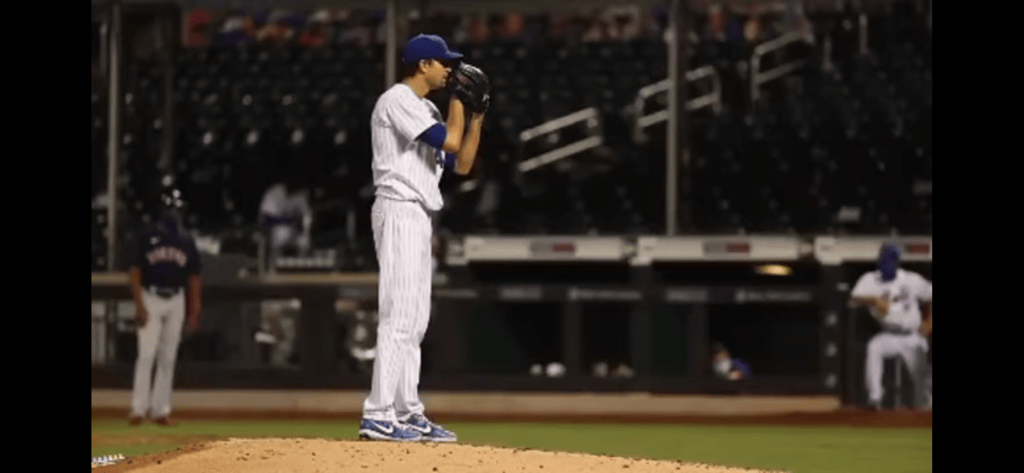
- Windup Position: This is the starting position. The pitcher stands on the mound with both feet on the rubber, facing the catcher, holding the ball with both hands in front of the body. This phase is about getting comfortable and focused, deciding on the type of pitch to throw, and beginning the motion with balance
- The Pivot: The pitcher pivots the foot that is on the rubber (usually the right foot for a right-handed pitcher and the left for a left-handed pitcher) to turn sideways while keeping the other foot in front. This action starts the body’s motion towards home plate.
- Leg Kick: The pitcher lifts the leg opposite the pivot foot (leading leg) towards the chest. This leg kick helps in generating momentum, balance, and power for the pitch. The height of the leg kick can vary among pitchers.
- Stride: After reaching the peak of the leg kick, the pitcher begins to move forward towards home plate by striding out with the leading leg. The stride length can impact the velocity and control of the pitch.
- Arm Action: As the stride is initiated, the pitcher begins to separate the hands and brings the throwing arm back into a cocked position, with the elbow at or above the shoulder level. The non-throwing arm is extended towards home plate to aid in balance and direction.
- Max External Rotation: This is the phase where the pitcher’s arm is fully loaded and ready to go into internal rotation. The arm reaches its maximum external rotation, preparing for a rapid and powerful forward motion.
- Release: In this critical phase, the pitcher accelerates the arm forward in a rapid motion, snapping the wrist as the ball is released from the hand towards the catcher. The release point is crucial for pitch accuracy and speed.
- Follow-Through: After releasing the ball, the pitcher continues the motion, allowing the arm to decelerate naturally and the body to move forward. This helps in reducing the risk of injury and aids in controlling the direction of the pitch. The follow-through ends with the pitcher in a position ready to field any balls hit back towards the mound.
Throughout these steps, pitchers use various grips and arm angles to create different types of pitches (e.g., fastball, curveball, slider) with varying speeds and movement, aiming to deceive the batter and prevent them from hitting the ball successfully. Mastery of pitching mechanics is essential for effectiveness and longevity in the sport, as improper techniques can lead to decreased performance and increased injury risk.
 AH Sports - baseball curated..